Catch the light
Bifacial and monocrystalline photovoltaic cells absorb solar radiation and release electrons, creating direct-current (DC) electricity.
 FAEG
Designed for homes, businesses, and large solar sites, our systems convert sunlight into reliable electricity through changing seasons.
Solar panels produce direct current (DC). An inverter converts it into alternating current (AC), the form used by buildings and the electricity grid.
Your home or facility can use solar power as it is generated. With the right equipment and local utility rules, excess electricity can be stored or sent to the grid.
Bifacial and monocrystalline photovoltaic cells absorb solar radiation and release electrons, creating direct-current (DC) electricity.
High-efficiency string or central inverters convert DC power into synchronized alternating-current (AC) electricity.
Your appliances, machinery, or local grid draw clean solar power in real time as it is generated across the array.
Surplus generation charges battery banks or steps up through on-site transformers to feed directly into the transmission grid.
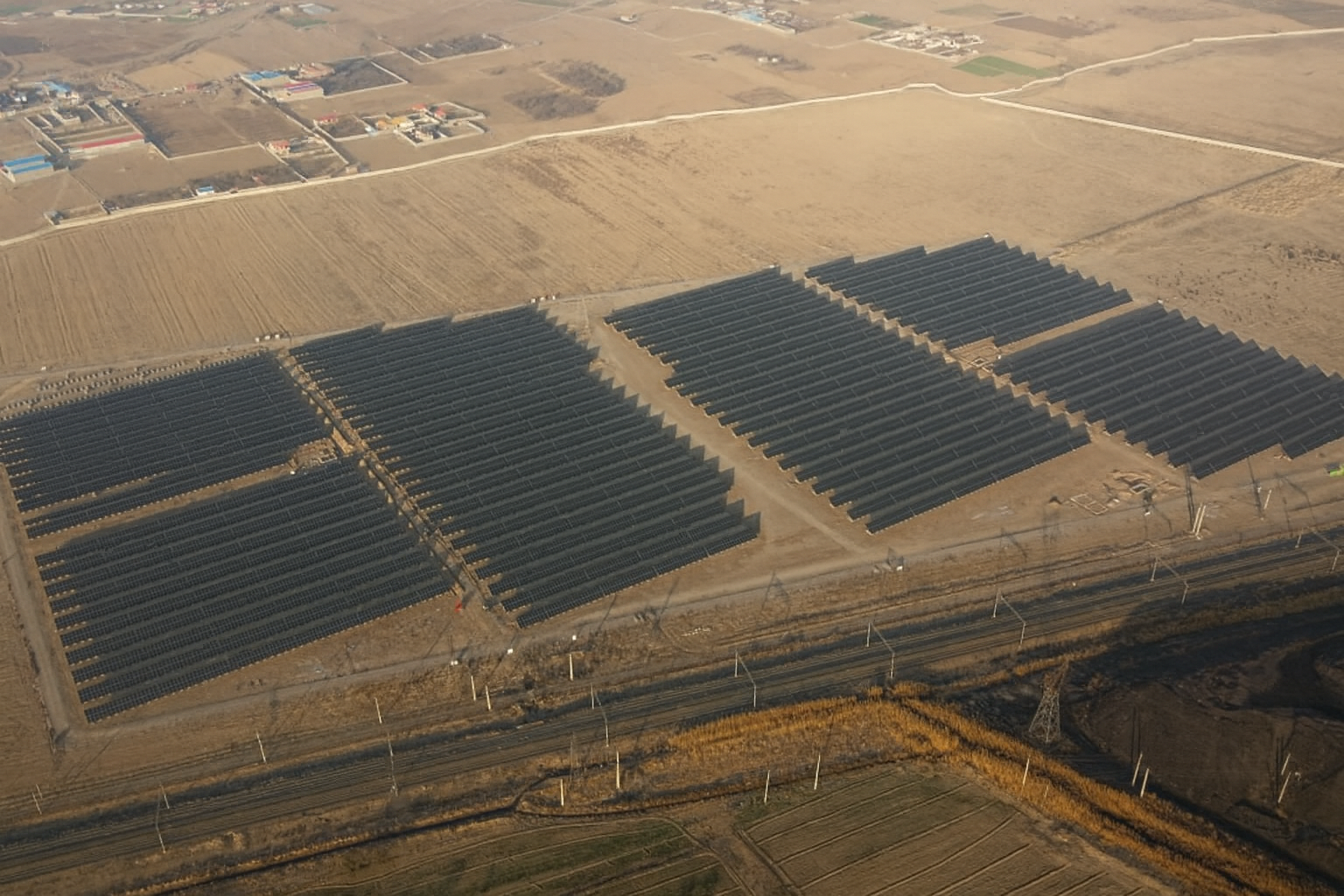
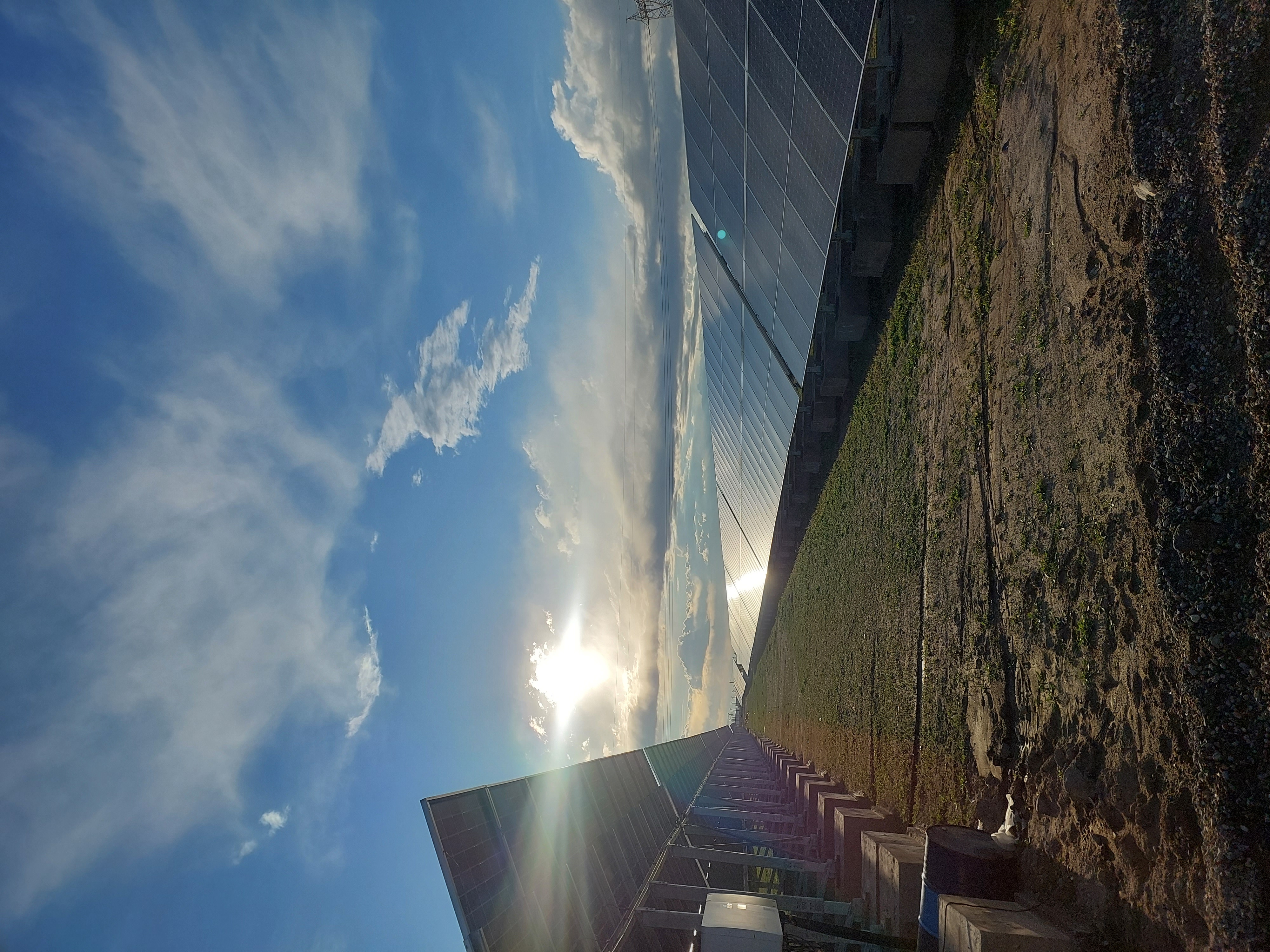
Every component is selected for longevity. From precast concrete ballast foundations to high-voltage step-up stations, our arrays are built for decades of output.
Industrial-grade photovoltaic arrays tilted at the optimal latitude angle to maximize year-round irradiance capture.
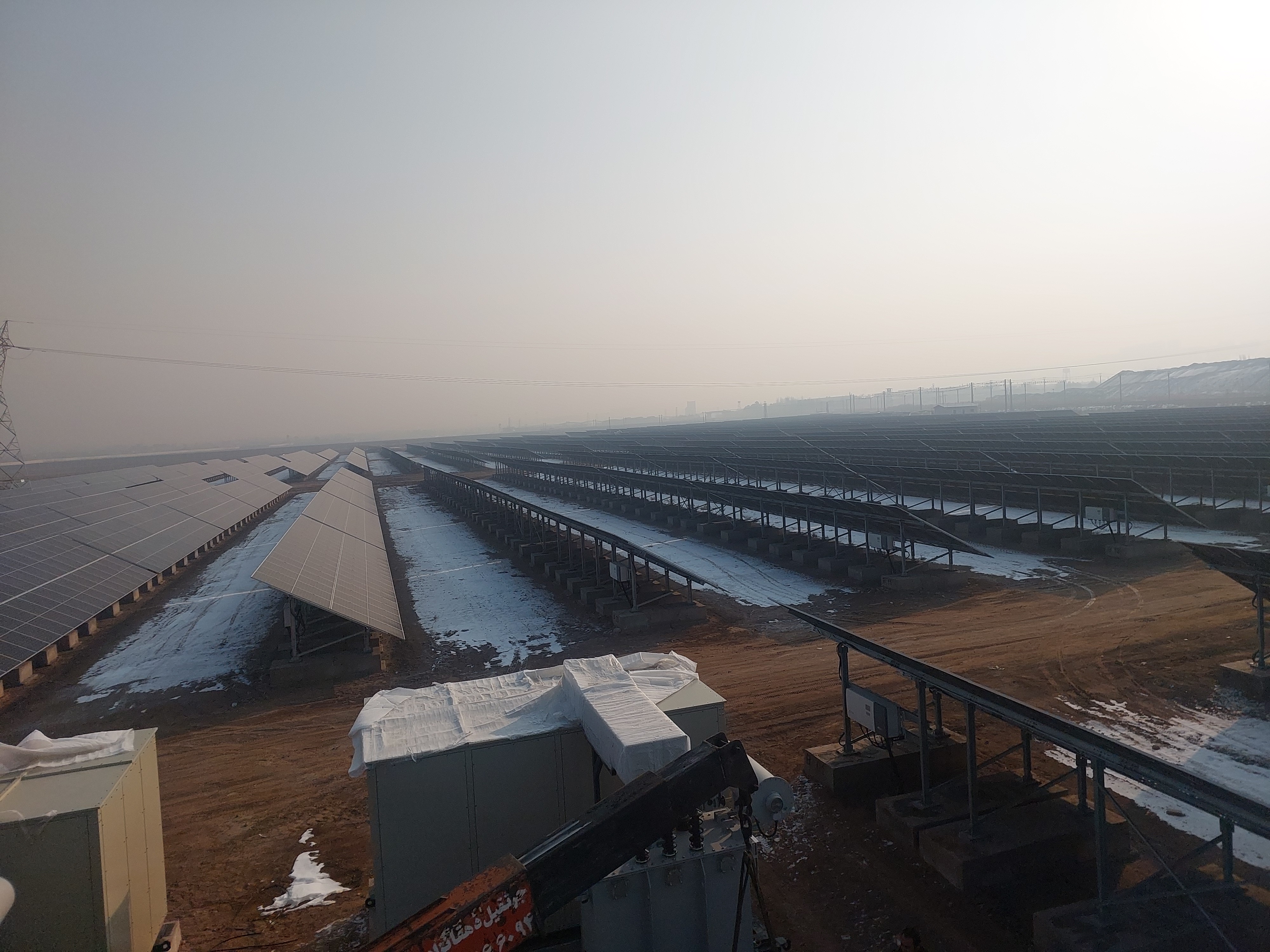
Field-mounted string inverters and medium-voltage step-up substations convert and condition power for seamless grid delivery.
Optional battery storage systems buffer peak daytime generation for evening dispatch or backup resilience.
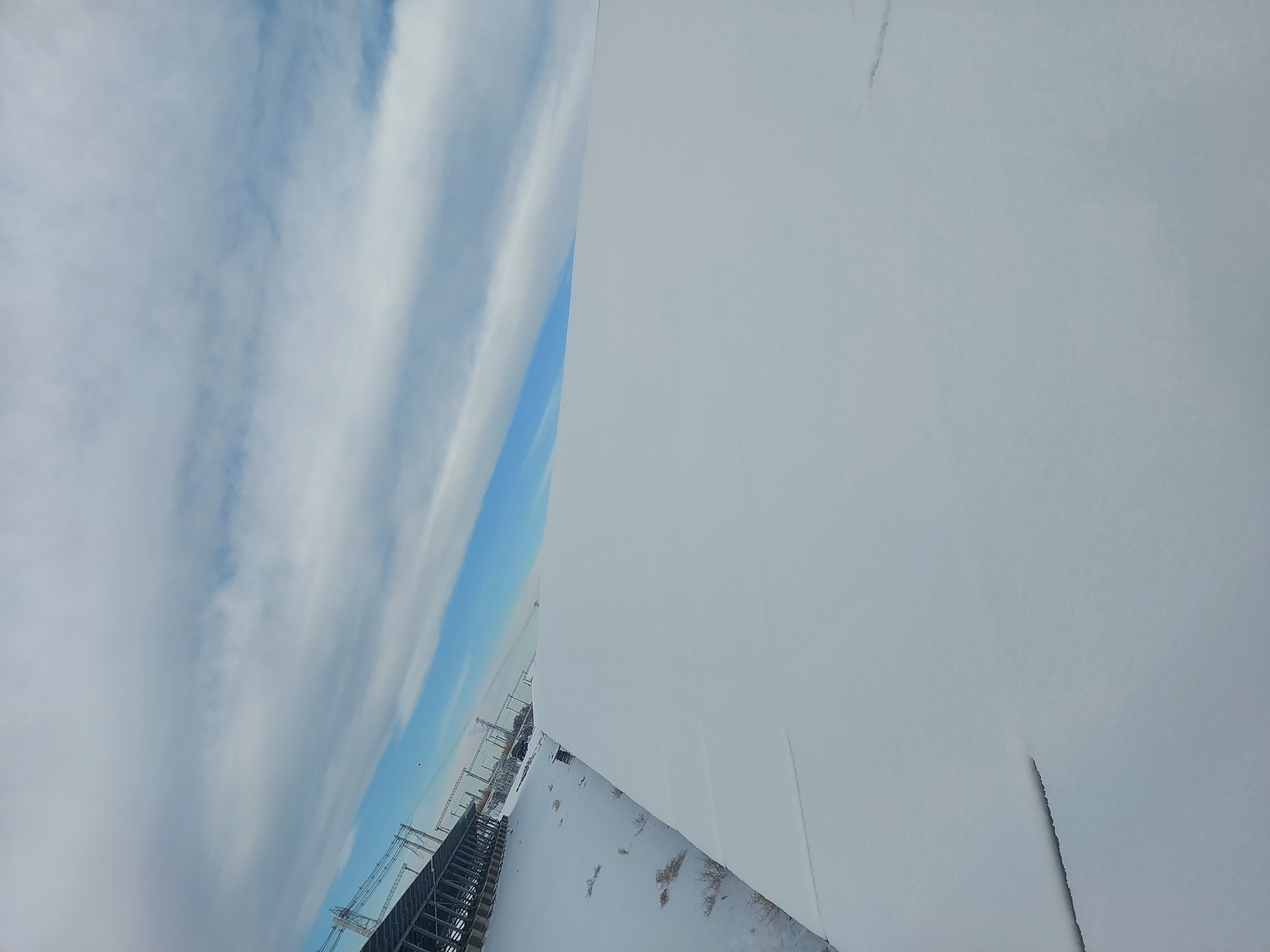
Engineered concrete blocks and galvanized steel structures withstand heavy snow loads, frost heave, and high winds.
Explore each stage of our solar sites, from transformer installation and row spacing to winter resilience and the completed aerial layout.
Adjust the sliders below to model how a solar installation scales to your demand, tariff, and local sun hours.
Planning estimate only. Project price uses an illustrative unit cost of $1,150 per kW and an estimated 78% bill offset with 80% system efficiency. Actual costs, savings, and payback vary with system design, site conditions, incentives, financing, and utility tariffs; this is not a quote.
Leave your contact details and our engineering team will contact you with a site assessment and financial proposal.
Thank you! Your project parameters and contact information have been securely transmitted to our engineering team. We will contact you shortly.